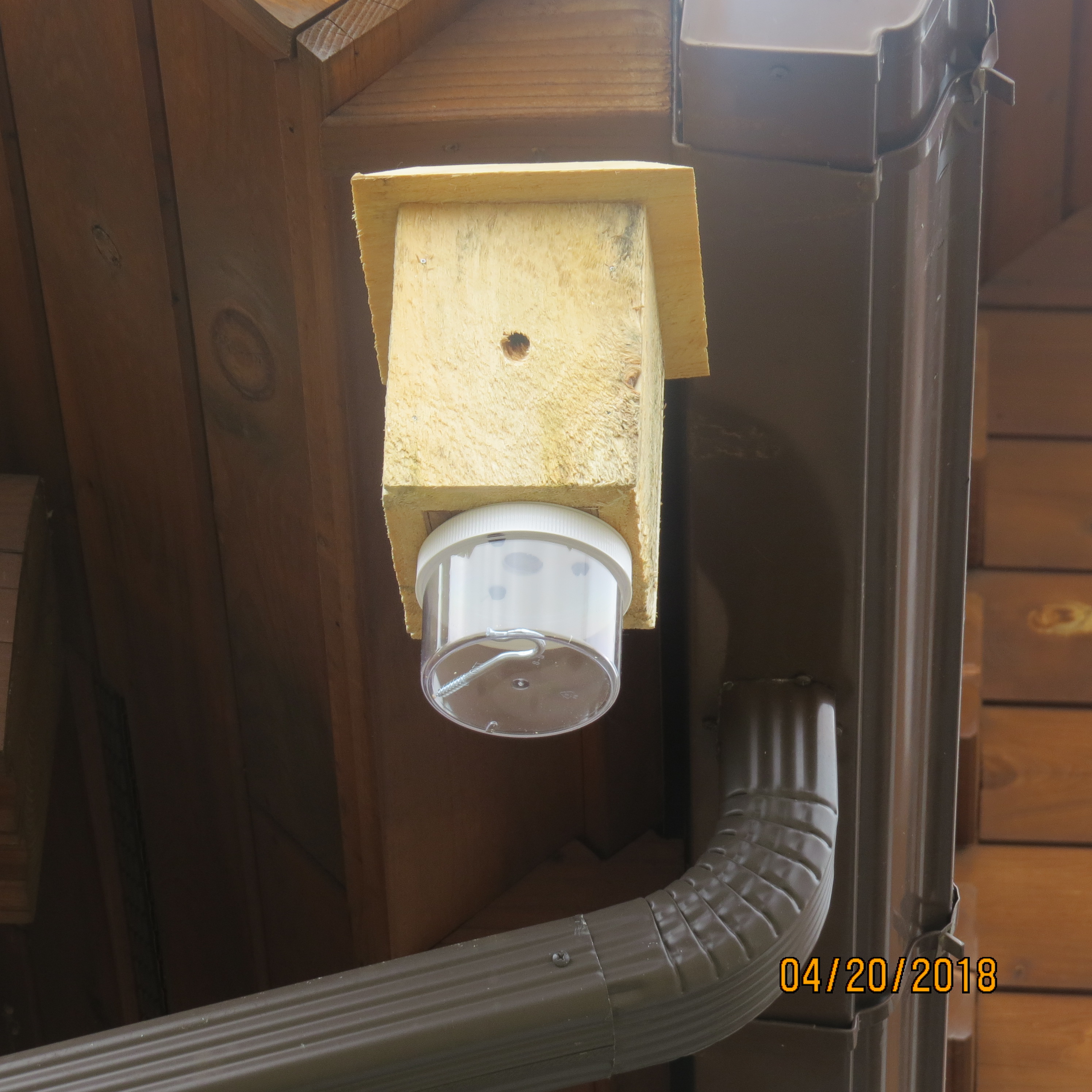
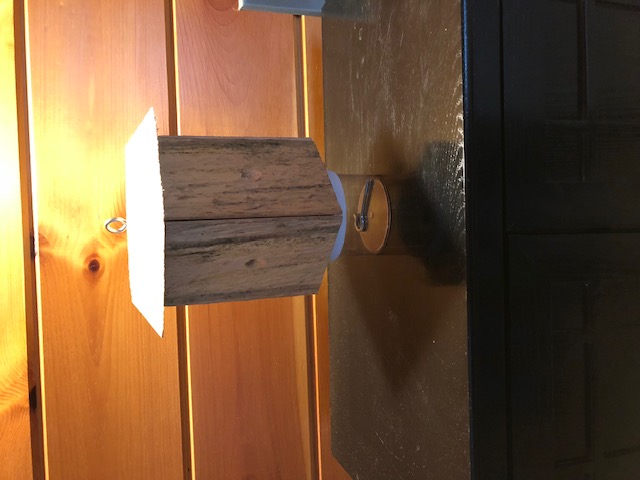
Carpenter Bees and Wasps can be a serious problem around your home, barn, and sheds. Carpenter Bees drill half inch tunnels into an exterior wood surface, lay their eggs, and these eggs hatch into larva. Then woodpeckers show up and drill excavate larger holes into the same wood to eat the tasty bee larva. By using these traps, you will reduce the need to spray harsh chemicals on hard-to-reach places on your structure which will save lots of money, time, and create a safer environment. Also, your anxiety level will be greatly reduced knowing that your home, porch, and barn is not being slowly turned into sawdust. Since these traps are pre-assembled from NEPA White Pine that Carpenter Bees love plus with precisely drilled holes, the attraction will be irresistible to these insects. Honeybees are NOT attracted to this trap. I recommend hanging a trap at each corner of the infested structure right under the roof’s overhang in the area of high bee activity. Southern exposure works best. Bees can be fussy so move traps to different locations to find the “sweet spot”. IT’S VERY IMPORTANT THAT YOUR TRAPS ARE SET-UP BEFORE THE BEES BECOME ACTIVE AND ALL OLD HOLES ARE PROPERLY PLUGGED!! The two ways that work the best to set and bate the trap are as follows: 1) place a dime size circle of the “BEE Licious Bee Bait” * on the bottom of the jar along with a ½ tsp of an insecticide powder (Sevin) on the side of the cup, or 2) place ½ inch of Sprite or 7-UP soda in the cup with a short squirt of Dawn liquid soap on top. Leaving one freshly killed bee in the jar will attract more bees due to the sex pheromones released. Dispose of the dead bees in the trash and not the environment around your home. Refresh the jar with more insecticide powder/pheromone paste or the soda/Dawn mix when jar is half full so to keep traps actively catching bees. When the bee/wasp season is over, bring the trap(s) inside for safe storage. With proper care, these hand- crafted traps will last for many seasons as compared to cheaper plastic and inferior wood traps being marketed. Some are made in China. If you have any questions or comments, please contact me at the email address listed on the contact page. |